Sofia Lang · 27 October 2026
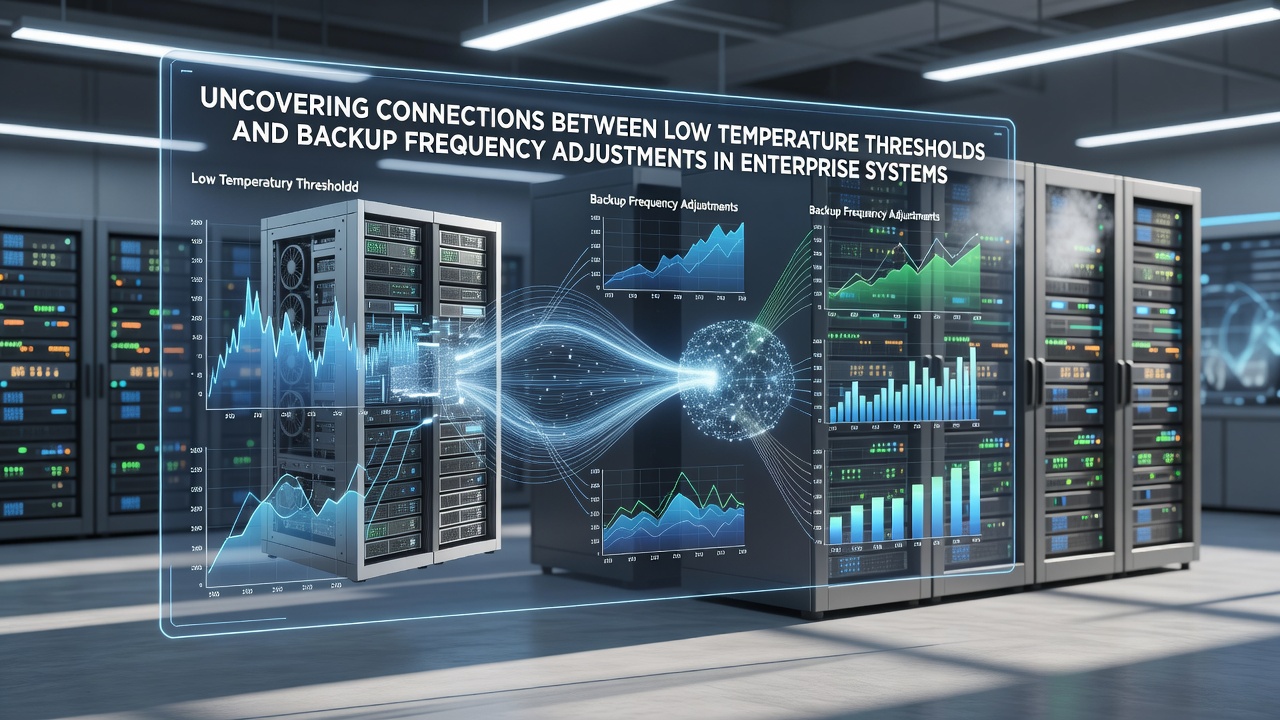
Uncovering Connections Between Low Temperature Thresholds and Backup Frequency Adjustments in Enterprise Systems
Enterprise systems operate under strict environmental parameters that directly influence data integrity protocols, and low temperature thresholds represent one such factor that prompts adjustments to backup frequency schedules. Research from various institutions indicates that temperatures dropping below 10 degrees Celsius can alter the performance characteristics of hard disk drives and tape storage media, leading organizations to recalibrate their backup intervals to maintain reliability standards. Data centers located in cooler climates often encounter these conditions during seasonal shifts, which creates measurable impacts on mechanical components within storage arrays.
Environmental Factors Affecting Storage Reliability
Low ambient temperatures influence the thermal expansion rates of mechanical parts inside enterprise storage devices, and this effect becomes pronounced when facilities rely on free cooling methods rather than traditional HVAC systems. According to reports from the International Energy Agency, data centers in northern regions have documented changes in drive failure rates during winter months when external temperatures fall consistently under established operational ranges. Backup frequency adjustments emerge as a direct response because shorter intervals between snapshots reduce the window during which temperature-induced errors might accumulate undetected.
Studies conducted by academic teams at institutions across Europe and North America reveal that solid-state drives exhibit different behaviors under cold stress compared to spinning media, with controller chips sometimes experiencing latency spikes that affect write verification processes. Organizations monitoring these patterns have implemented automated triggers that increase backup cadence when sensors register sustained drops below threshold levels, and this approach integrates with existing infrastructure management platforms without requiring manual intervention each time conditions change.
Regional Case Examples and System Adaptations
Facilities in Canada have reported specific modifications to their enterprise backup routines following extended periods of sub-zero temperatures, with adjustments tied to humidity interactions that accompany cold air infiltration in older buildings. One study revealed that enterprises using tape libraries adjusted rotation schedules by 25 percent during winter quarters to account for potential media brittleness, and similar patterns appear in Australian installations where winter lows occasionally challenge standard environmental controls. These adaptations demonstrate how temperature data feeds directly into scheduling algorithms that govern backup operations across distributed networks.
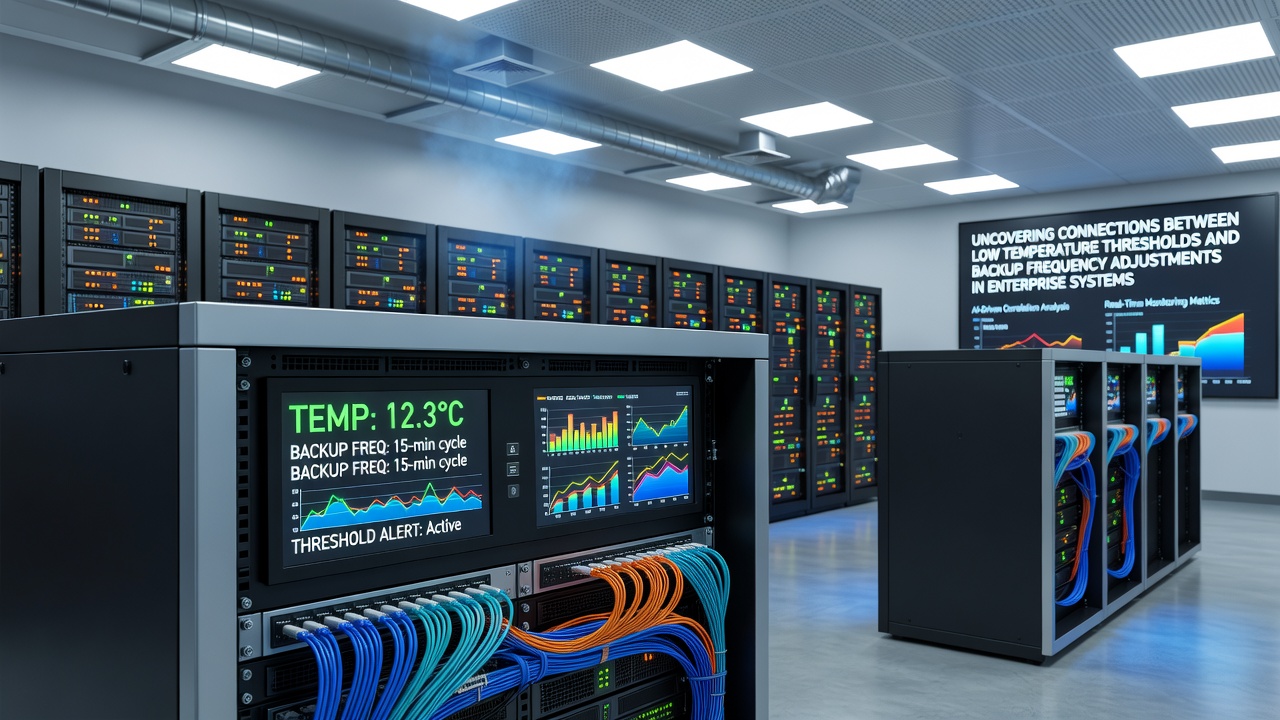
What's interesting is how October 2026 brought renewed attention to these dynamics when several large-scale operators updated their monitoring firmware to incorporate refined low-temperature algorithms based on accumulated field data. European regulatory frameworks from bodies such as the European Commission energy efficiency directives have encouraged such integrations by highlighting the need for precise environmental tracking in large IT operations. Backup frequency then becomes a variable that responds dynamically rather than remaining fixed across annual cycles.
Technical Mechanisms and Monitoring Integration
Enterprise systems incorporate temperature sensors at multiple points within storage racks, and these inputs connect to centralized management consoles that apply rule-based logic to backup processes. When readings approach critical low thresholds, the software initiates more frequent incremental backups while simultaneously logging environmental metadata for later analysis. This method preserves data consistency because it accounts for potential read/write inconsistencies that arise in colder operating states, and it avoids unnecessary resource consumption during stable periods.
Observers note that vendors have begun embedding these capabilities into firmware updates released throughout 2025 and into 2026, allowing seamless incorporation without hardware replacements. Research indicates that combining temperature telemetry with predictive analytics reduces the incidence of backup failures attributed to environmental variables, particularly in mixed-media environments where both disk and tape coexist. Organizations track these metrics through dashboards that display real-time correlations between temperature trends and backup completion rates.
Conclusion
Connections between low temperature thresholds and backup frequency adjustments continue to shape enterprise data protection strategies as facilities refine their environmental controls and monitoring frameworks. Evidence from multiple regions shows that proactive recalibration of backup schedules based on temperature data supports sustained operational continuity, and ongoing developments in sensor integration point toward increasingly responsive systems in the years ahead.