
Hugo Franke · 15 September 2026
Shifting Landscapes of Ephemeral Data Storage Through Seasonal Algorithm Adaptations
Ephemeral data storage refers to temporary holding mechanisms that retain information only for the duration of active sessions or processing cycles before automatic deletion occurs, and seasonal algorithm adaptations adjust these mechanisms according to predictable shifts in demand patterns, environmental conditions, and energy availability throughout the year. Research from computational infrastructure studies shows that systems handling transient data volumes experience measurable fluctuations tied to calendar periods, with algorithms recalibrating retention thresholds and eviction policies in response.
Core Mechanisms of Ephemeral Storage
Ephemeral layers operate above persistent repositories by leveraging volatile memory pools and short-lived disk caches that discard content once reference counts drop to zero, while seasonal adaptations introduce dynamic weighting factors that modify cache sizes and prefetch behaviors based on historical usage logs collected over multiple annual cycles. Data centers report that these adjustments reduce overall write amplification during high-variability months because algorithms predict load spikes and scale temporary allocations accordingly without increasing permanent storage commitments.
Seasonal Influences on Algorithm Behavior
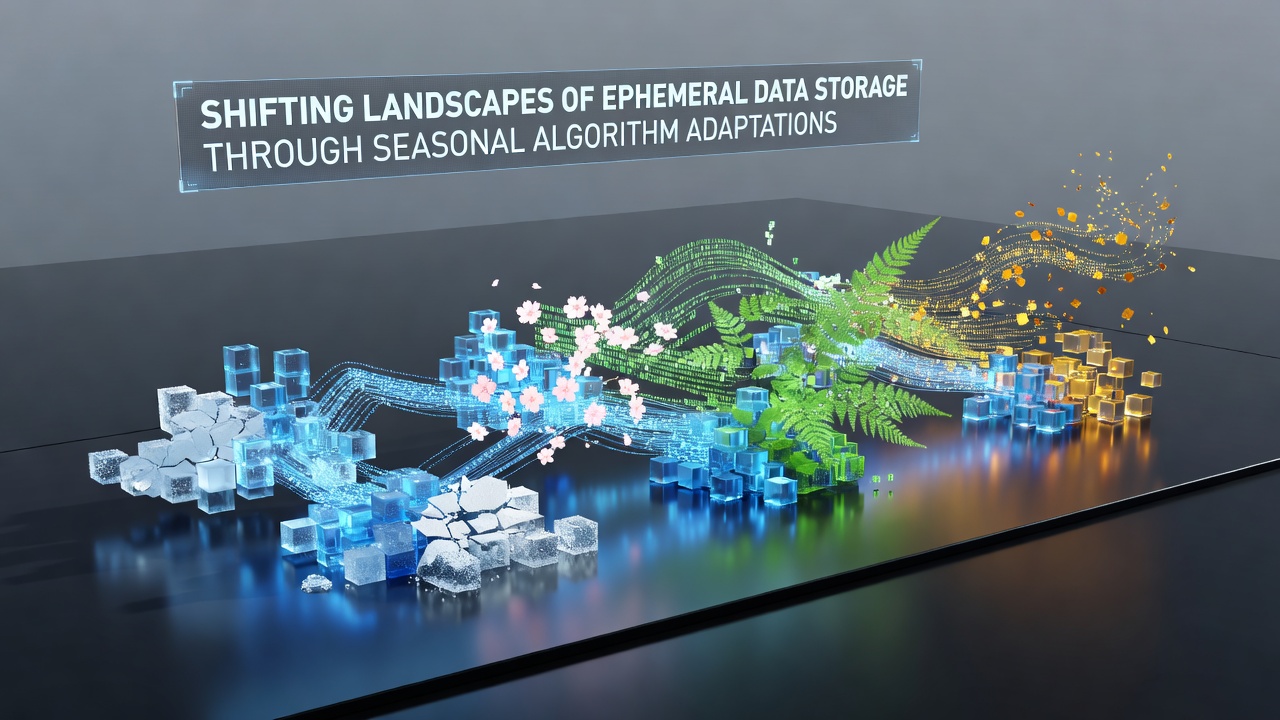
During winter periods in northern hemisphere facilities, cooling requirements decrease and algorithms expand ephemeral buffers to accommodate longer session states, whereas summer months trigger more aggressive reclamation routines to conserve power when ambient temperatures raise baseline energy costs. Observers note that these patterns repeat with statistical consistency across multi-year datasets, allowing predictive models to preconfigure parameters ahead of each transition point.
Geographic variations further shape the adaptations because facilities in temperate zones apply milder adjustments compared with those in extreme climates where hardware reliability margins narrow during peak heat or cold snaps. Studies conducted by institutions tracking global data infrastructure reveal that September 2026 marked the release of updated benchmarking reports from multiple regions documenting how seasonal recalibrations improved average eviction efficiency by measurable percentages in production environments.
Integration With Broader Infrastructure Trends
Cloud providers incorporate these seasonal rules into orchestration platforms that manage container lifecycles and serverless function states, ensuring ephemeral volumes align with regional electricity pricing schedules that themselves follow quarterly demand curves. Energy efficiency analyses from North American government laboratories indicate that coordinated seasonal tuning correlates with lower peak power draw across large-scale deployments.
European research consortia have examined similar approaches through cross-border projects that compare adaptation strategies across different regulatory frameworks, finding that unified seasonal parameters sometimes require local overrides to satisfy varying data residency rules. Academic papers published through Australian university networks further document how machine learning overlays refine the base seasonal models by incorporating real-time weather feeds and usage telemetry.
Technical Implementation Patterns
Engineers deploy these adaptations through configuration templates that activate at fixed dates or trigger thresholds, combining rule-based logic with reinforcement learning agents that refine eviction priorities after each seasonal window closes. The process maintains strict separation between ephemeral and durable tiers so that transient data never migrates unintentionally into long-term archives even when buffer sizes expand temporarily.
Monitoring dashboards track key indicators such as hit rates, reclamation latency, and energy per operation, allowing operators to verify that seasonal shifts produce expected outcomes without introducing instability. Figures released in industry consortium reports show consistent year-over-year improvements when these layered controls remain synchronized with external variables like holiday traffic surges or academic calendar changes.
Conclusion
Seasonal algorithm adaptations continue to reshape how ephemeral data storage systems balance performance, energy use, and reliability across annual cycles. Implementation relies on accumulated telemetry, predictive modeling, and region-specific tuning that together maintain efficiency as external conditions evolve. Continued documentation from diverse geographic sources supports ongoing refinement of these techniques in production environments worldwide.