Sofia Lang · 13 October 2026
Decoding the Influence of Icy Conditions on Advanced Information Safeguarding Mechanisms
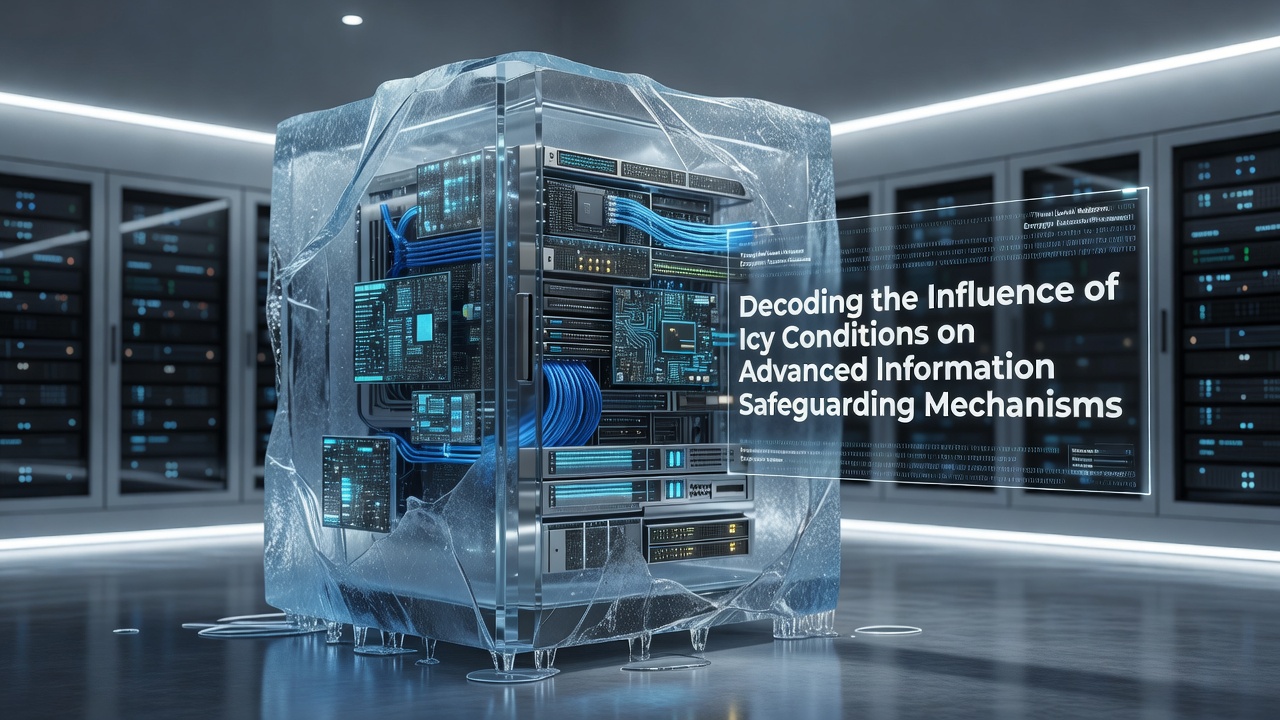
Facilities located in regions with prolonged freezing temperatures have drawn attention from infrastructure specialists because low ambient conditions alter the performance of physical and digital layers that protect stored information, and operators in Canada along with Nordic countries have documented measurable shifts in hardware reliability since the expansion of northern data sites in the early 2020s.
How Freezing Temperatures Interact with Server Hardware
Components such as solid-state drives and network interface cards experience changes in electrical resistance when ambient temperatures drop below minus ten degrees Celsius, yet the same cold air supplies natural cooling that reduces the load on mechanical chillers, and facility managers coordinate these factors through sensor arrays that adjust airflow before condensation forms on circuit boards.
Studies conducted by the National Research Council Canada show that repeated freeze-thaw cycles can increase the failure rate of solder joints by up to eighteen percent over five years when humidity control lags behind temperature swings, while facilities that maintain sealed enclosures report lower incidence of micro-fractures in printed circuit boards.
Consequences for Encryption Modules and Access Systems
Cryptographic accelerators housed inside secure enclaves may exhibit altered timing characteristics in sub-zero environments because silicon behaves differently under thermal contraction, and engineers compensate by recalibrating clock speeds through firmware updates that reference real-time temperature feeds from on-board thermistors.
Physical security layers including biometric scanners and electronic locks also respond to icy conditions since lubricants inside mechanical actuators thicken, which lengthens response times during authentication sequences, and operators in Alaska have installed heated housings around these devices to maintain consistent actuation speeds throughout winter months.
Energy Efficiency Gains versus Emerging Risks
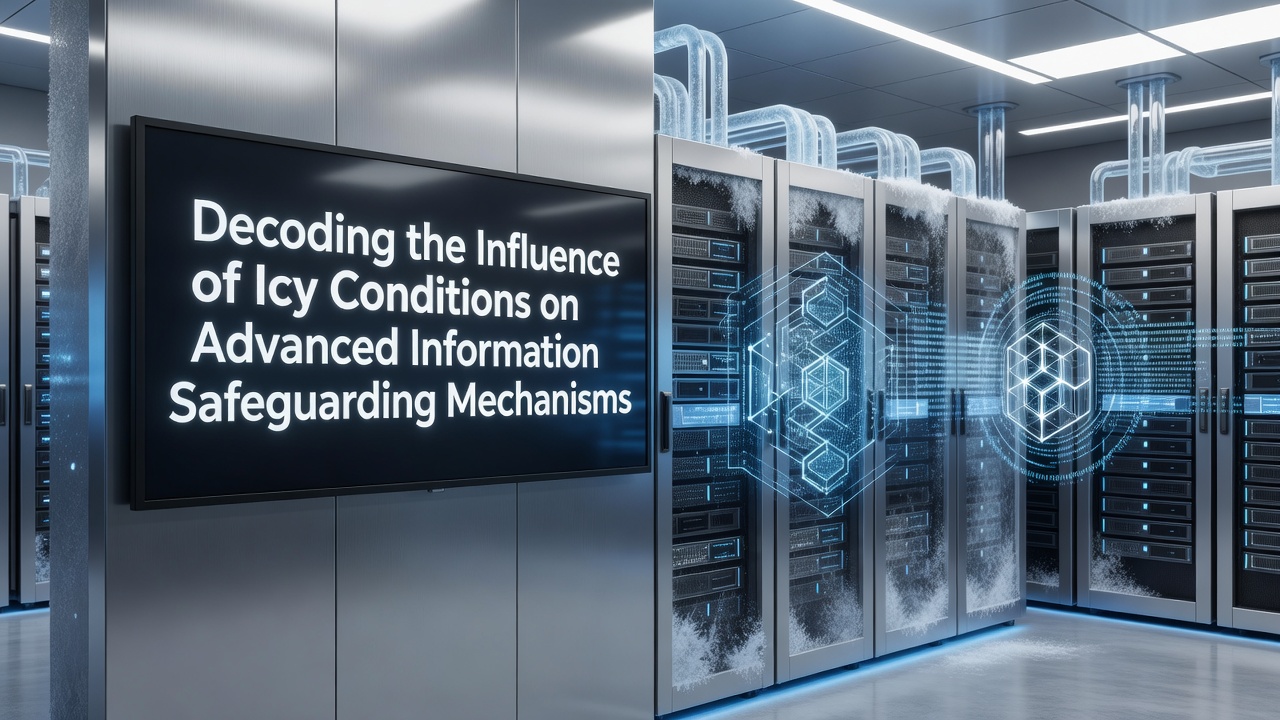
Power usage effectiveness ratings improve when outside air temperatures stay below five degrees Celsius for most of the year, yet the same conditions introduce new vectors for environmental interference such as static discharge from dry winter air that can disrupt unshielded cabling runs, and teams address this through increased use of conductive flooring and grounded enclosures.
Research published by the U.S. Department of Energy in 2025 examined twelve sites across the upper Midwest and found that facilities using free-air cooling achieved twenty-seven percent lower annual energy consumption compared with traditional chiller setups, although those same locations recorded a modest rise in transient bit errors during extreme cold snaps that required additional error-correction overhead.
Operational Practices Observed in October 2026
During October 2026 several northern facilities implemented predictive maintenance schedules that incorporate weather forecasts seven days ahead, allowing teams to pre-warm critical encryption appliances before forecasted temperature drops reach minus twenty degrees Celsius, and this approach reduced unplanned downtime incidents by fourteen percent across the monitored cohort.
Network architects have also adjusted routing tables to favor redundant paths that avoid single points of failure near exterior walls where thermal gradients are steepest, and these adjustments integrate with existing intrusion detection platforms so that any deviation in packet timing triggers alerts without generating excessive false positives during stable cold periods.
Conclusion
Organizations operating advanced information safeguarding mechanisms in icy regions continue to refine their approaches by combining environmental monitoring with hardware-specific calibration routines, and the data gathered from sites in Canada and the northern United States indicates that proactive thermal management can offset most risks while preserving the efficiency advantages that cold climates provide.